
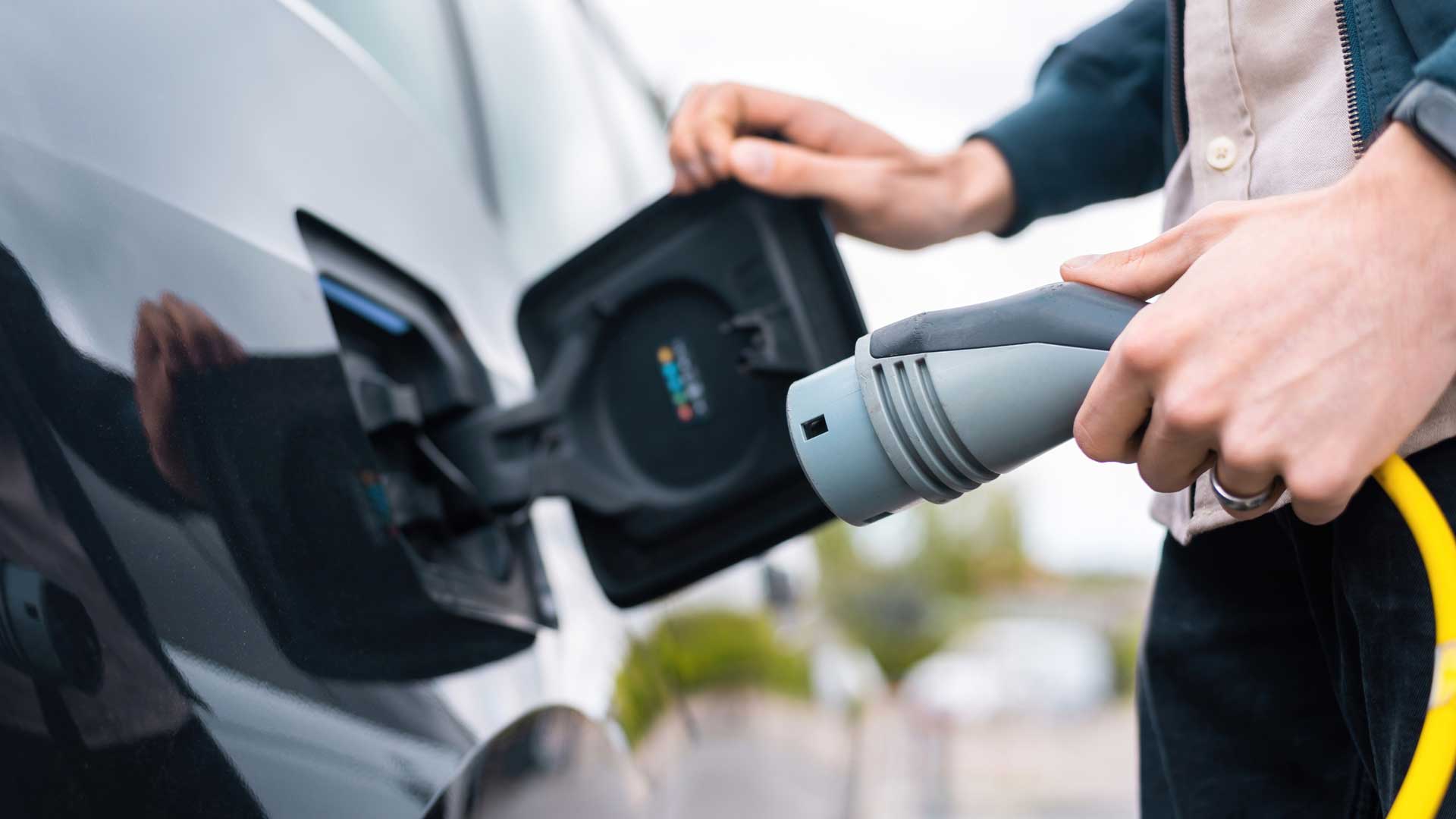
As many will have heard by now The Chancellor Rachel Reeves announced a new mileage tax on electric vehicles and plug-in hybrids. Termed ‘Pay Per Mile’, from April 2028 all cars with a plug will be subject to an Electric Vehicle Excise Duty (eVED). The government has suggested this is to mitigate the reduction in the Fuel Duty takings. EVANI has been putting forward our views to the media since the announcement, and you may have seen our Chair Mark McCall on the BBC. We’ve also released the statement below;
This year Battery Electric Vehicles represent just 5% of cars on UK roads, so announcing a Pay-per-Mile scheme for 2028 feels very premature. The Chancellor is correct, fuel-duty receipts have fallen by 41%. But that’s not due to EVs, it’s because successive governments have used fuel-duty freezes to stop it rising with inflation over the last 15 years. While EV drivers are keen to pay their way, this is something that could be introduced when the market matures, not while we’re still in the early stages of a transition.
That said, even with a 3p tax, someone charging an EV overnight at home will still pay roughly half the cost per mile of a petrol or diesel driver. The Chancellor also introduced policies to boost EV uptake, notably allocating an additional £1.3 billion to the EV Grant, extending the scheme to 2030 and providing discounts of up to £3,750 on qualifying vehicles. But the disjointed and frequently contradictory communication around EVs only deepens drivers’ confusion, undermining confidence at a time when clarity and reassurance are most needed.
Where’s the Detail?
The eVED will be 3p per mile for Battery Electric Vehicles, and 1.5p per mile for plug in hybrids. It appears to have been developed without the full implementation being developed. A consultation document is available on the Gov.Uk website. It is anticipated to work as follows;
“Alongside paying their VED each year, under eVED motorists will estimate their mileage for the year ahead, pay an upfront charge based on their estimate or spread their payment across the year, and then submit their actual mileage at the end of the year to trigger a reconciliation. Motorists will have their mileage checked annually typically during their MOT as is already the case, or for new cars, around their first and second registration anniversary”
Miles driven outside the UK is a rather obvious issue. Whilst this seems to have been considered, the answer is very unsatisfactory. The equivalence suggested to fuel duty for drivers regularly driving across the border seems quite egregious. Not to mention open to judicial review.
“…the government has ruled out charging tax based on when or where people drive, to protect motorists’ privacy. This means mileage driven overseas by UK registered cars will fall into scope of eVED, as with fuel duty, which does not vary on basis of where a car is driven.13 Since the proportion of UK registered cars driving abroad each year is a small proportion of total cars14, it is proportionate to prioritise privacy and simplicity over a system of checks to deduct non-UK mileage.
The government recognises that motorists based in Northern Ireland may be more likely than motorists based in Great Britain to drive outside of the UK. There is currently no equivalent mileage charge to eVED on electric or PHEV cars in the Republic of Ireland, however the government will continue to monitor the international tax landscape.”
Whats Next?
The Government has started a public consultation on how this should work. HM Treasury are clear that the consultation is not over whether eVED should be implemented, but how it should be implemented and delivered.
We would strongly suggest our members provide feedback. We wont be providing a pro-forma for our members to submit as identical responses could be treated as one. Instead we would suggest users politely but firmly convey their thoughts, especially on the localised issues we face here in Northern Ireland.
Anything Else?
The Chancellor also announced a positive change to the Expensive Car Supplement. Cars with a list price of £40,000 or more are subject to this supplement since April this year. However from April 2026 this will be pushed out to £50,000 for EVs, including any cars delivered since April. This news was unsurprisingly largely lost within the noise created by the Pay Per Mile announcement.
No responses yet