Yes, they are real! But, unlike electric cars, the market for them is smaller, and they are still developing. This is mainly because of two things: demand and technical challenges. What works for cars doesn’t necessarily work for motorcycles.
Who makes electric motorbikes?
Right now, well-known motorcycle companies like Honda, BMW, KTM and Kawasaki have electric motorbikes available. But many new companies have popped up, both in the UK and around the world, such as Zero, LiveWire (a Harley-Davidson spin-off), Vmoto and Maeving, a UK company, to name a few.
In Asia, where motorcycles are much more common and well outnumber cars in many places, many other companies make smaller, scooter-type machines with smaller batteries.
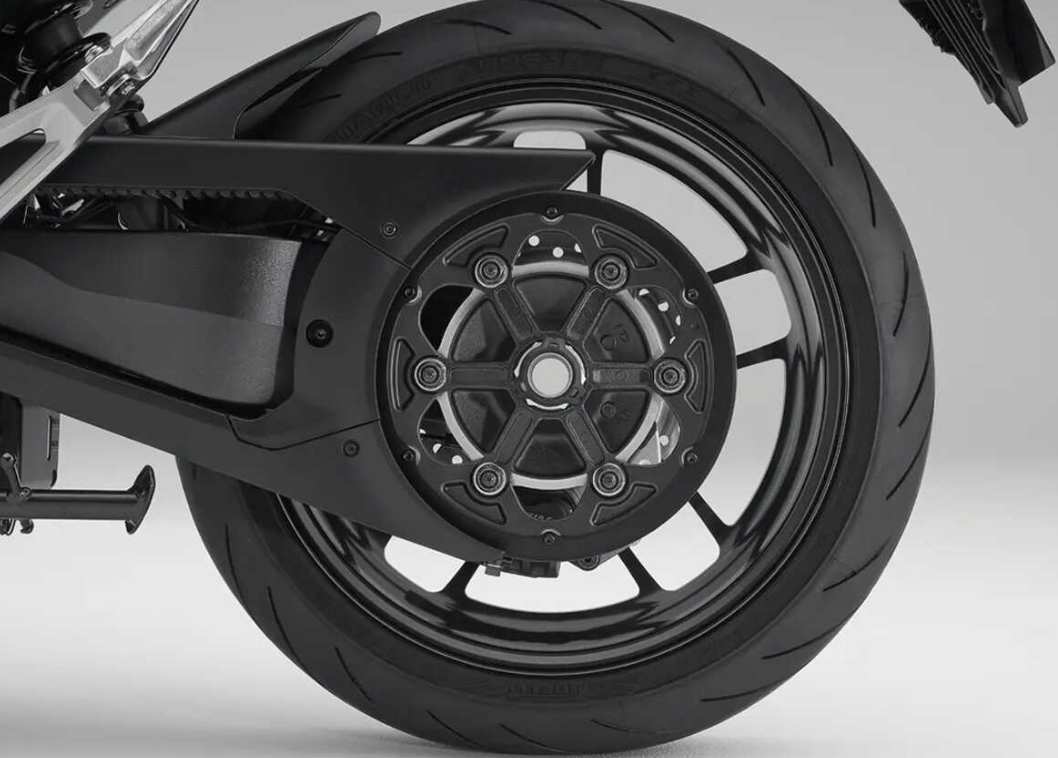
Honda recently launched their new WN7, a naked roadster-type electric motorbike. It has a full-charge range of 140 kilometres (87 miles), a maximum power of 50 kilowatts, takes around 30 minutes to charge and costs £12,999. For the WN7’s price, a range of 87 miles is modest compared to petrol bikes, but for riders who rarely exceed that distance and have regular access to charging, it could still be perfectly workable.
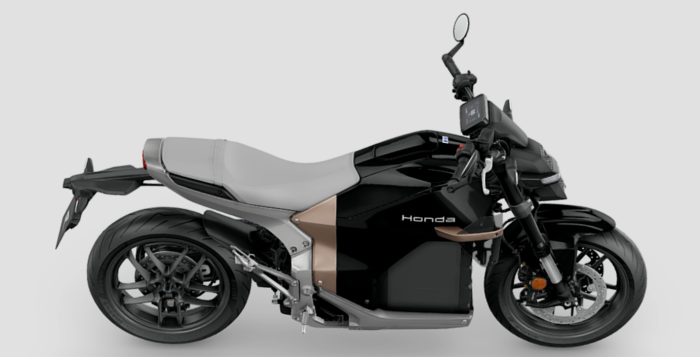
Is the Honda WN7’s quoted range and charge time worth considering? It really depends on what you need. My 1997 Triumph Trophy 900 can get a quick “charge” of petrol in just a few minutes, giving me up to around 200 miles of range, depending on how I use my right wrist.
If I could always find charging stations along the routes I most often take, maybe it wouldn’t be so bad. And if I don’t often make journeys of more than its range, then it could be quite suitable even with today’s level of charging infrastructure. Back in the early days of motoring, cars had very limited range and petrol stations were few and far between. People adapted — and infrastructure followed.
Where do they fit?
Motorcycles, no matter how they run, are a fantastic, efficient way to get around.
For a while — especially between the World Wars and for a time after — motorcycles were more common than cars in the UK, Ireland and across Europe. This was mostly because cars were too expensive for most people. Motorcycle and sidecar outfits were often marketed as practical family transport.
Motorcycles also use far less road and parking space. Two or three bikes can fit in the space a single car needs. In Northern Ireland, motorcycles can currently park for free in most council-owned pay-and-display car parks and on the street, with the main exception being central Belfast’s parking control zone. There are also dedicated motorcycle parking bays around the city centre.
A recent European study concluded that if just 10% of drivers switched to a motorbike or scooter for single-person journeys, urban congestion could be reduced by up to 40%.
Motorcycles account for around 3% of traffic in Northern Ireland — roughly the same as HGVs. A 2022 survey showed that around 40% of NI motorcyclists ride all year round, either commuting or as part of their work. It’s not a massive number, but it’s far from insignificant.
What about charging them?
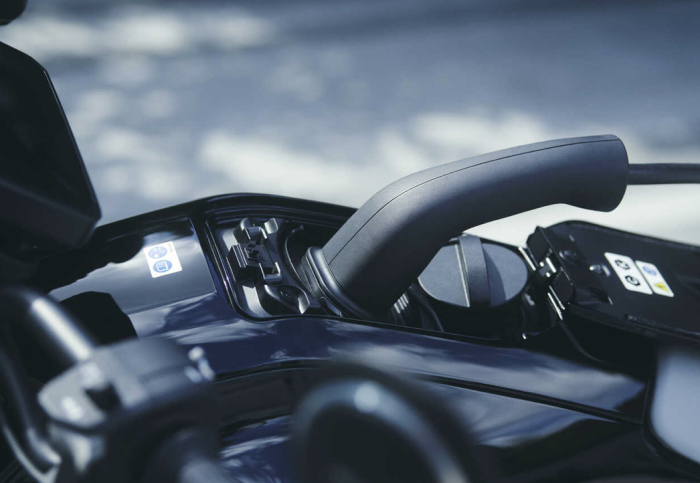
Electric motorbikes use the same cables and connectors as cars and can use the same charging stations. There are, however, a some practical considerations:
Security is a key one. Motorcycles are vulnerable to theft, so riders need a way to physically secure their bike while charging. At sites with multiple charge points, it would also make sense to provide at least one space designed specifically for motorcycles, or dual chargers where one side is more accessible to a bike than a car. In simple terms, rails or layouts that allow a bike to park, plug in and be secured, without being blocked by larger vehicles.
In parts of Asia, particularly Vietnam, electric motorbike and scooter infrastructure often includes battery-swapping stations for smaller machines. Riders arrive, swap a depleted battery for a charged one and ride away — as quickly as refuelling. It’s a model that may eventually have a place in the UK for certain types of electric two-wheelers.
What are they like to ride?
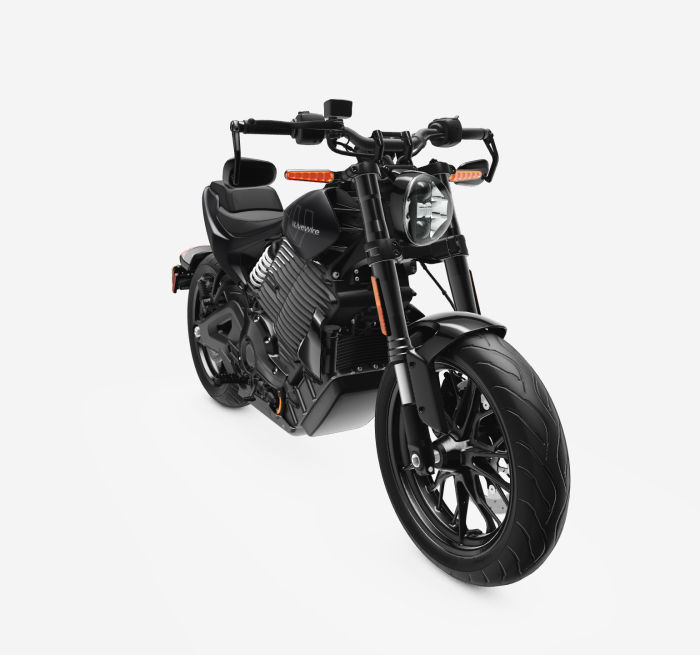
Different — but also familiar, at least from my limited experience. I test-rode the Harley-Davidson LiveWire, an electric cruiser. It’s well built, comfortable and easy to handle, despite being heavy. It has instant power, impressive torque and is simple to ride via twist-and-go, although many riders still prefer the involvement of gears. The brakes felt strong, and its road holding was good. Range is more limited than many riders would like and it sits at the premium end of the price spectrum.
That said, long-distance trips undertaken by riders like Ewan McGregor and Charlie Boorman showed that electric bikes can cope with serious journeys — albeit with planning and support. Those rides highlighted both the potential of electric motorcycles and the areas where further development is needed. Stopping at traffic lights on the LiveWire feels very different — no vibration, no engine note, and different feedback to what many long-time riders are used to. That’s a matter of familiarity rather than capability. Over time, new generations of riders will form their own attachments to electric bikes, just as previous generations did to petrol machines.
What about the pay-per-mile tax?
When EVs were zero-rated for vehicle excise duty to encourage uptake, it was always clear that the system would eventually need to evolve as more vehicles moved away from petrol and diesel. A fair and workable replacement system will need to balance simplicity, equity and practicality. In Northern Ireland, there is also a strong case for considering cross-border travel, given how often people drive or ride on roads outside the UK. Any future system will need to account for that reality.
What is MAG?
The Motorcycle Action Group (www.mag-uk.org) was established in 1973 to stand up for motorcycling in all its forms. It works to ensure that laws, regulations and transport policy are based on evidence and do not unfairly disadvantage motorcyclists, whether deliberately or inadvertently. MAG often describes itself as a trade union for riders.
Martyn Boyd is the Northern Ireland Representative of Motorcycle Action Group, the UK’s largest riders’ representative body.
Some useful links:
- https://www.honda.co.uk/motorcycles/range/electric/wn7/overview.html
- https://www.honda.co.uk/motorcycles/range/sport-touring/cb1000gt/overview.html
- https://www.motorcyclenews.com/news/new-tech/electric-motorbike-co2-emissions-green/
- https://www.motorcyclenews.com/advice/best/electric-motorbikes/
- https://maeving.com/en-gb
- https://www.bennetts.co.uk/bikesocial/news-and-views/features/electric-motorcycles/guide
No responses yet