With advances in technology and growing awareness of sustainable living, more people are making the switch to electric vehicles and energy efficient homes. But the benefits go far beyond reducing carbon emissions. For many, the electric lifestyle is proving to be a game-changer in terms of cost savings too.
One EV Association NI member has taken things a step further. By smartly managing his power consumption, he has successfully shifted almost his entire energy usage to the Economy 7 night rate, a move that has effectively halved his bills. His journey showcases the real-world benefits of strategic energy use and serves as a blueprint for anyone looking to maximise their savings.
Driving Down Costs with Smart Energy Use
Electricity is cheaper during off-peak hours, and Economy 7 is designed to capitalise on this. The tariff offers seven hours of reduced-rate electricity each night, ideal for charging electric vehicles and running high consumption appliances. For EV owners, this means not only saving on ‘fuel’ costs but also cutting the other parts of their household electricity bills.
With the help of battery storage and by strategically timing his energy consumption, Stephen has unlocked the full potential of Economy 7. Whether it’s charging his EV, running appliances, or heating his water, it all happens almost exclusively during those cost-efficient hours. His experience is a testament to what can be achieved with a little planning and the right technology.

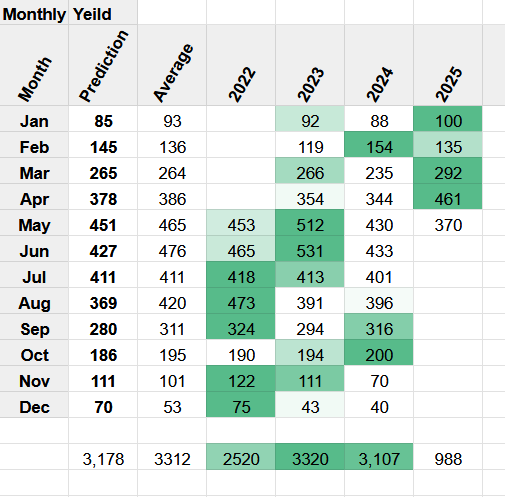
After the first 4 months of this year, I have managed to squeeze 98.8% of our electricity use into the Economy 7 rate, placing us among a very small percentile of households to reach that level. Achieving this status requires effort, planning, and a little sacrifice. For instance, I’ve learned how much power various appliances consume in my home. I always consider whether it’s possible to use multiple devices simultaneously and understanding these factors can significantly reduce your electricity bills too.
By staying under the solar inverter’s limit during the summer, I avoid importing power from the grid during the day. In the winter months, my battery helps extend the cheaper Economy 7 night rate throughout the day, further lowering my bills.
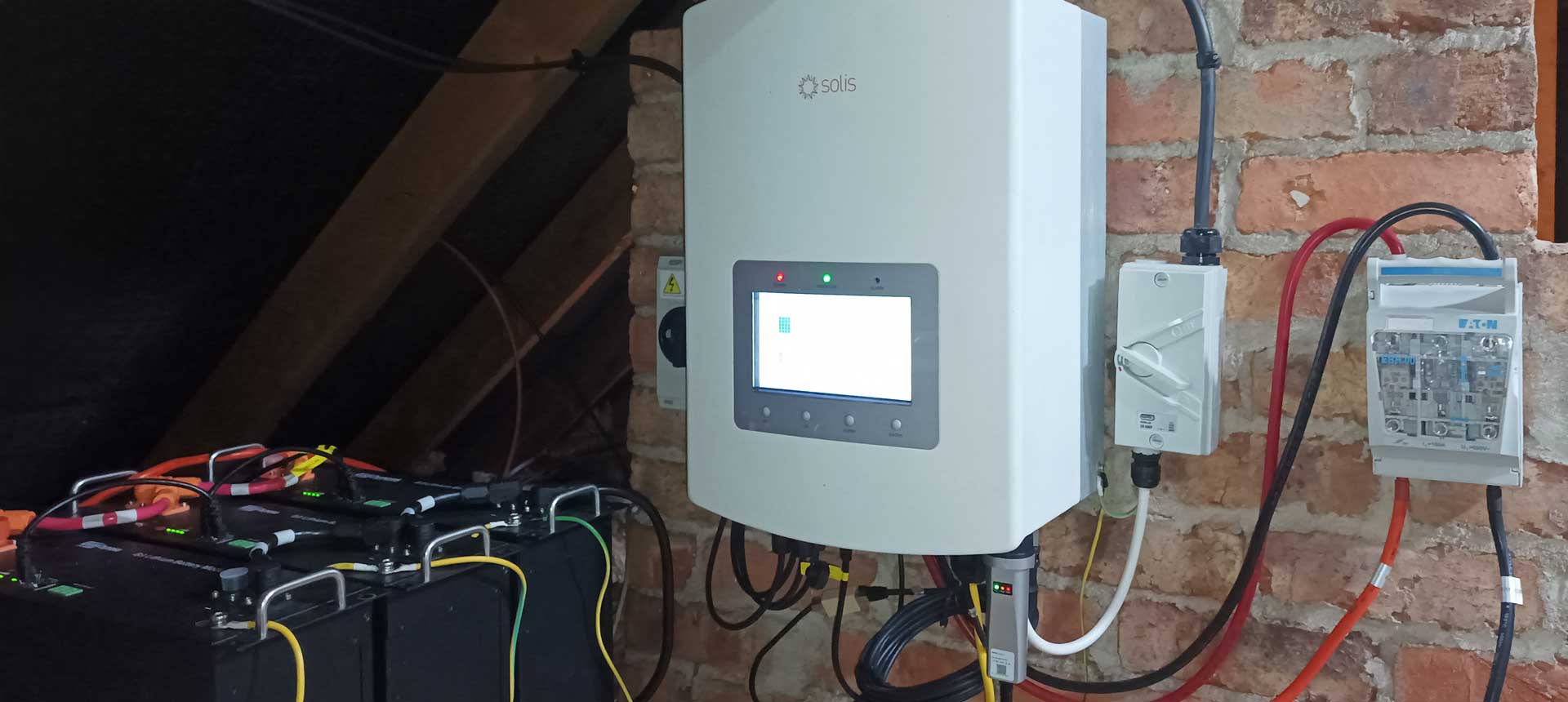
I don’t have a large solar setup, with four 395W panels facing south and six 395W panels facing west, paired with a 3.6 kW inverter and 10.8 kWh of batteries. I drive two electric vehicles: a 2015 Renault ZOE with a 22 kWh battery and a 2021 Vauxhall Corsa-e with a 50 kWh battery. I don’t use electric heating in my home and still rely on gas. Additionally, I have a small 15 litre tank for hot water, which is just enough for washing dishes.
I regularly monitor prices from the 6 electricity suppliers in Northern Ireland and I’m open to switching providers to follow the most competitive rates. If I was on a regular 24 hour meter, it would have added an extra £160 to my bill compared to what I have paid this year so far. I try to use as much solar energy as possible, which helps me save on imports and provides additional savings.

Charging Ahead: The Power of Overnight Charging
One of the major advantages of owning an EV is the ability to charge at home during off-peak hours. Unlike petrol or diesel vehicles that require trips to the fuel station, EV owners can plug in at night, wake up to a full battery, and start the day with maximum range. And with Economy 7, that charging is done at a fraction of the cost.
Stephen has embraced this concept fully. His EV charges quietly overnight, drawing from the grid when demand is low and rates are cheaper. It’s a simple experience, plug in, sleep, and wake up ready to go. Stephen told us;
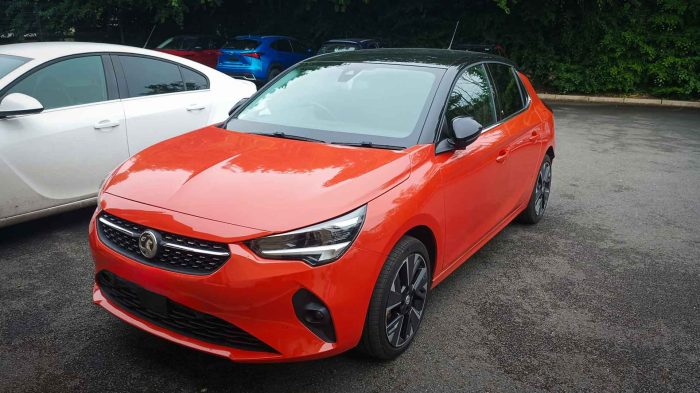
I don’t drive very many miles and I rarely need to use public chargers (they only account for around 6% of my charging). The rest is done at home, either during off-peak hours on the Economy 7 tariff which costs me very little (around 5 pence per mile), or using solar energy. By contrast, the average internal combustion engine (ICE) vehicle costs around 14 to 16 pence per mile. I typically take shorter trips and charge my vehicle at home, which makes it easy to plug in the car at the end of the day. My EV charging point is programmed to charge during the cheaper overnight E7 rate and this saves me around £100 for every 1,000 miles I drive. I would love to see more affordable destination chargers and more accessible options for everyone to charge from their homes.
Home Energy Management: More Than Just EVs
While EV charging is one clear benefit, smart energy use doesn’t stop there. Shifting other high-energy appliances to off-peak times is where even more savings can be found. DHW heating, washing machines, dryers and dishwashers can all be set to run overnight. Modern technology, like smart plugs and programmable timers, make it easier than ever to schedule energy use efficiently.
I monitor load balance to keep my house’s usage under the capacity of my solar inverter, so I won’t import from the grid during the day. I have smart plugs on many appliances to take advantage of the excess solar or the E7 night rate.
Tip: Turn items off when not needed – Load balancing is really import when you have solar. Keeping under the discharge of your battery at night will stop you pulling from the grid, keeping away from that higher day rate. During the day spreading the load out over time keeping under the inverters max power.
When cooking don’t turn too many heating items on at once. As when heating they use a lot of power, but once fully heated use a lot less. So stagger them as much as you can. Don’t be afraid to turn the ovens off early too, they hold the heat pretty well, and your food will be good for a short time, but turning off will save money.
Sustainability in Action: Greener and Cleaner
Living this electric lifestyle isn’t just about saving money, it’s about sustainability. By reducing dependence on fossil fuels and optimising energy consumption, EV owners are actively contributing to a cleaner planet. This experience highlights not only financial savings but also a significant reduction in carbon emissions.
Have you ever examined your electric bill, specifically the section about the Fuel Mix Disclosure Label? This label reveals the proportions of fossil fuels and renewable energy sources used to generate the electricity that powers your home. I’m sure we all want to see an increase in renewable energy usage, as it is the cleanest and most affordable form of electricity, benefiting everyone.
As a parent of a nearly five-year-old, I want to help ensure a cleaner world for him and his future family. By the time he is driving electric vehicles, I hope that they will be a common sight on our roads, which brings me joy. Cleaner air can only be a positive change for everyone.
Encouraging the Transition: Why Now is the Time to Go Electric
With EV models becoming more affordable and charging infrastructure expanding all the time, there’s never been a better time to consider the switch. Combine that with the cost savings from tariffs like Economy 7, and the case for going electric is stronger than ever.
Stephen’s journey is proof that the electric lifestyle isn’t just viable, it’s transformative. His cost savings and low-carbon footprint are achievable for anyone willing to make a change.
Making the switch to and EV especially when considering the importance solar can feel a little daunting, especially given the current state of finances. But achieving a degree of energy independence is beneficial for keeping your utility bills low. While the initial purchase price may be high, the long-term savings can be significant once you invest.
The path to a sustainable, cost-effective, and convenient lifestyle is clear. With the right planning and technology, significant savings and environmental benefits are well within reach. For those ready to make the leap. While not everyone may want to go to the extremes Stephen has, his story stands as proof of what’s possible in our electric future.
No responses yet